Screenshot
Dubai, February 2026: As Ramadan approaches, many in Dubai naturally begin to shift their routines – prioritising rest, reflection and meaningful connection over intensity and excess. Wellness experts say this seasonal slowdown is not only cultural, but essential, offering the body and mind space to recalibrate.
Rather than pushing through fatigue, Ramadan presents an opportunity to embrace gentler movement, intentional recovery and shared wellbeing experiences. Here, DRYP Director Chloé Minet shares five restorative wellness practices gaining traction across Dubai this February, designed to support energy, balance and community throughout the Holy Month.
- Embrace restorative movement over intensity
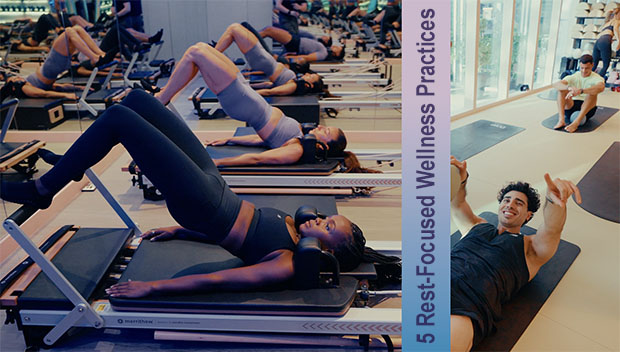
During Ramadan, lower-impact practices such as Pilates, barre and slow-flow yoga help maintain strength and mobility without draining energy reserves. These controlled forms of movement support circulation, posture and mental clarity, making them ideal for fasting periods and evening routines.
- Use heat and cold to support recovery and sleep
Infrared heat and cryotherapy are increasingly used during Ramadan to aid muscle recovery and promote deeper rest. Gentle heat helps release tension after long days, while brief cold exposure supports circulation and sleep quality – particularly valuable when routines shift.
- Let wellness create rhythm, not pressure
Group classes offer a sense of structure during a month when schedules can feel fluid. Guided sessions remove decision-making and encourage consistency, allowing participants to stay connected to their bodies without overexertion.
- Prioritise recovery as a form of self-care
Ramadan is a time to listen more closely to the body. Stretching, breath-led movement and recovery-focused sessions can ease mental fatigue, improve sleep and restore balance -reinforcing the idea that rest is productive, not indulgent.
5. Reconnect through community-led wellness
Wellness during Ramadan is often at its most powerful when shared. Community-based studios, group classes and post-session moments create spaces for connection, reflection and togetherness – helping people feel supported rather than isolated.